


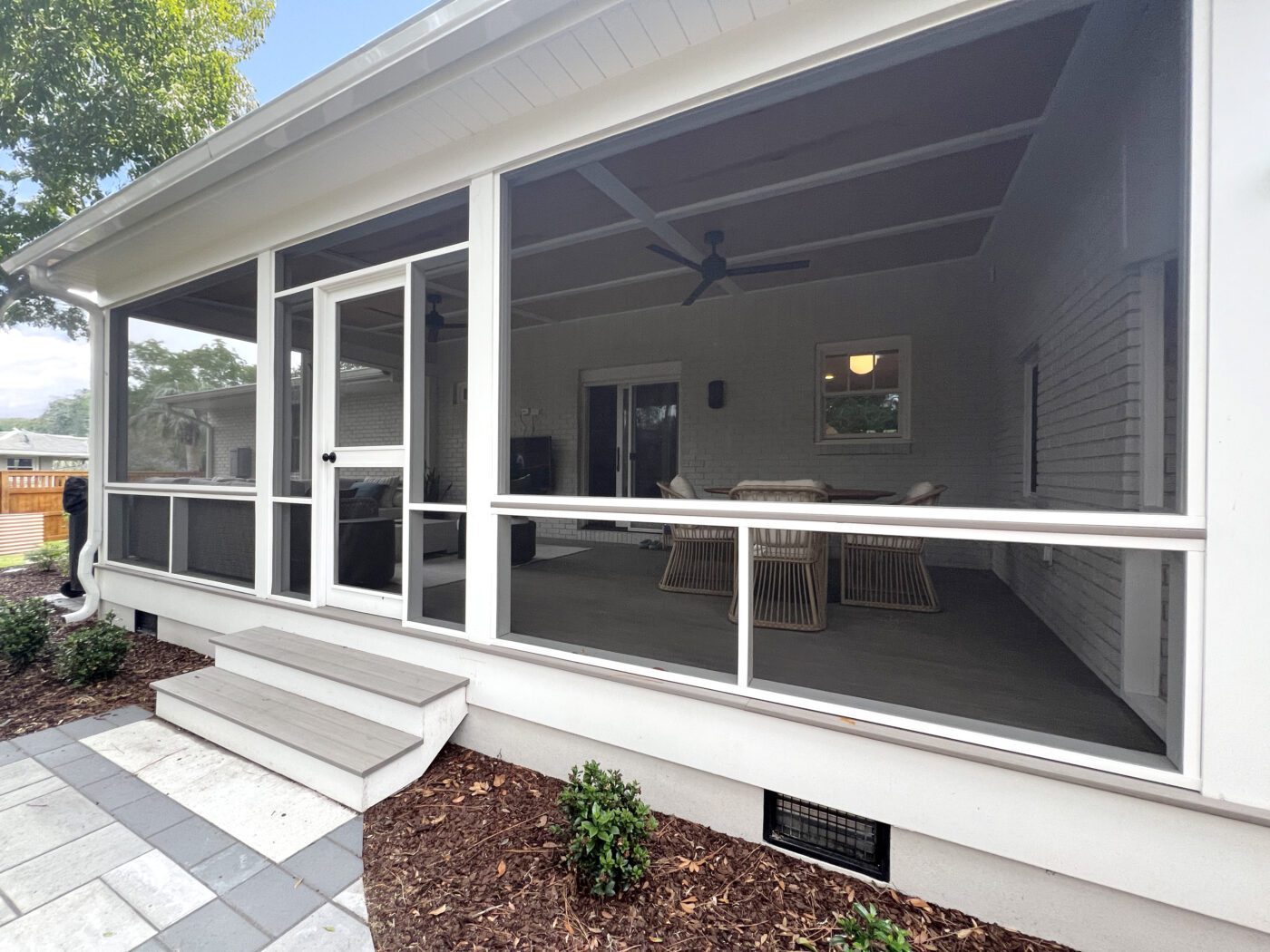
Planning a screen porch? Choosing the right screening system is one of the most important decisions you’ll make. The best option depends on your porch design, environment, and how you plan to build or install it.
Before diving in, it’s worth watching a screen porch measurement guide and getting accurate dimensions. Your measurements will directly influence which system works best for your project.
Below are the key factors to consider when selecting a porch screening system.


Location & Environment
Your environment plays a major role in determining which materials will perform best over time.
If you live in a coastal area, salty air can cause metal components to corrode or pit. In these cases, vinyl (PVC) systems such as Screen Tight, MultiTrack, and Screen Wall are often ideal because they resist corrosion.
All systems feature hidden fasteners, meaning screws are covered and protected from the elements.
Porch Level
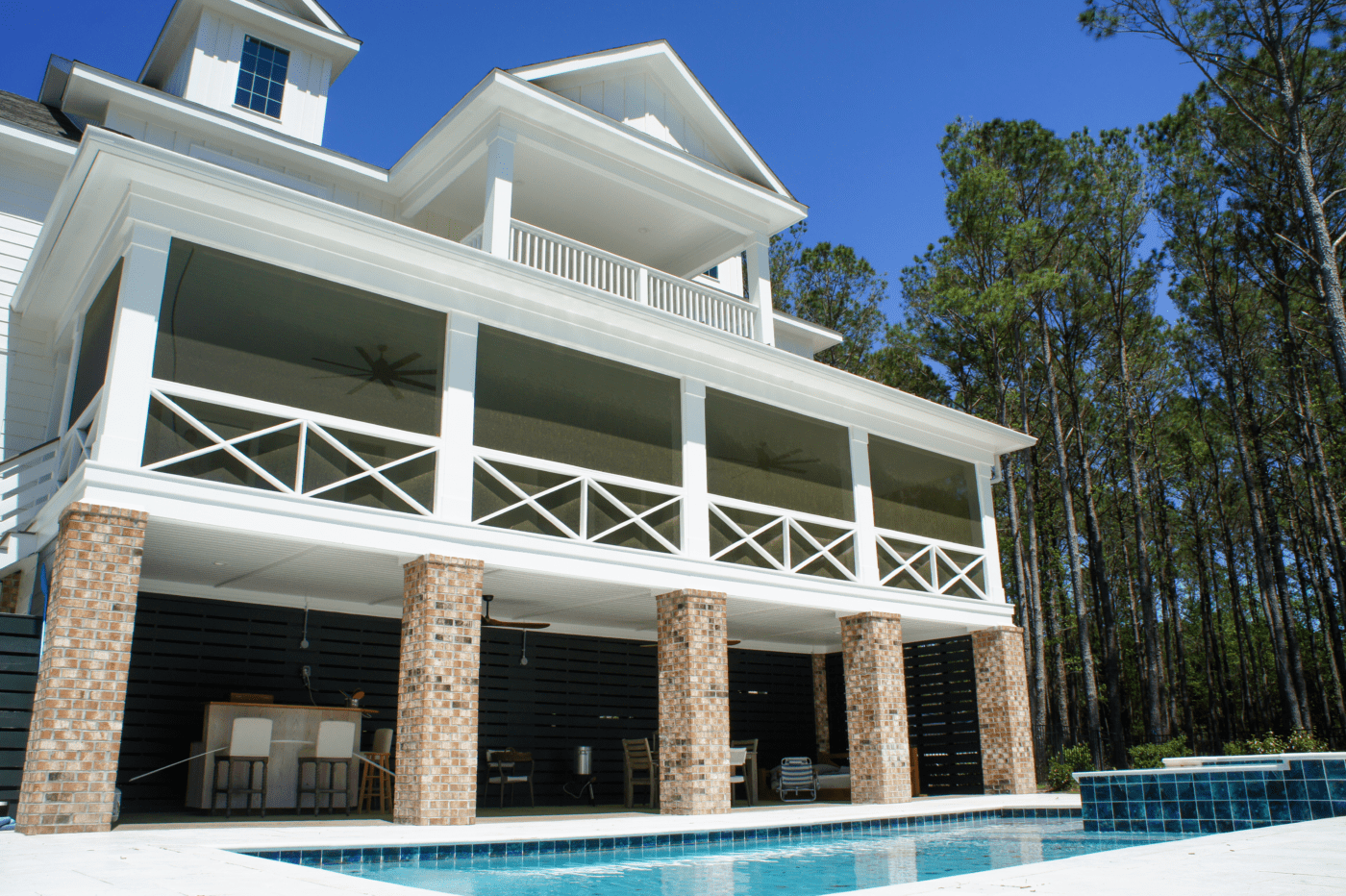
The height of your porch impacts both design and material requirements. Most porches fall into three categories: ground level, slightly raised (one to three steps), or fully elevated.
For ground-level or slightly raised porches, you can often use one large, full-height screen zone.
For elevated porches, building codes may require a guardrail solution. In these cases, systems like MeshGuard provide a code-compliant option while maintaining visibility.


Framing Elements
Another key decision is whether you need additional framing elements.
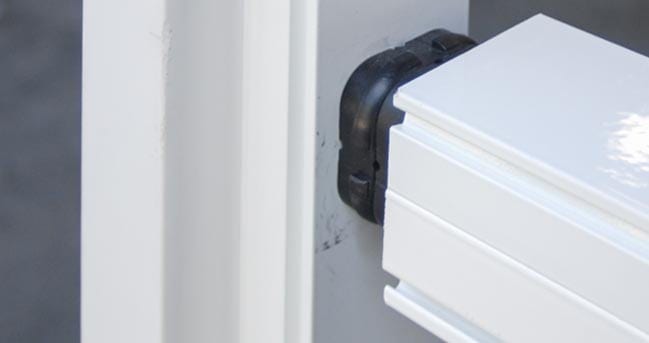
Some systems, like Screen Wall and FastTrack, include built-in framing components that allow you to create custom layouts without needing traditional wood framing like non-load-bearing two-by-fours.
If your porch already has wood framing in place, you may prefer a system designed to mount directly to existing structures.
Mounting Type
How your screening system attaches to your porch is another important consideration.
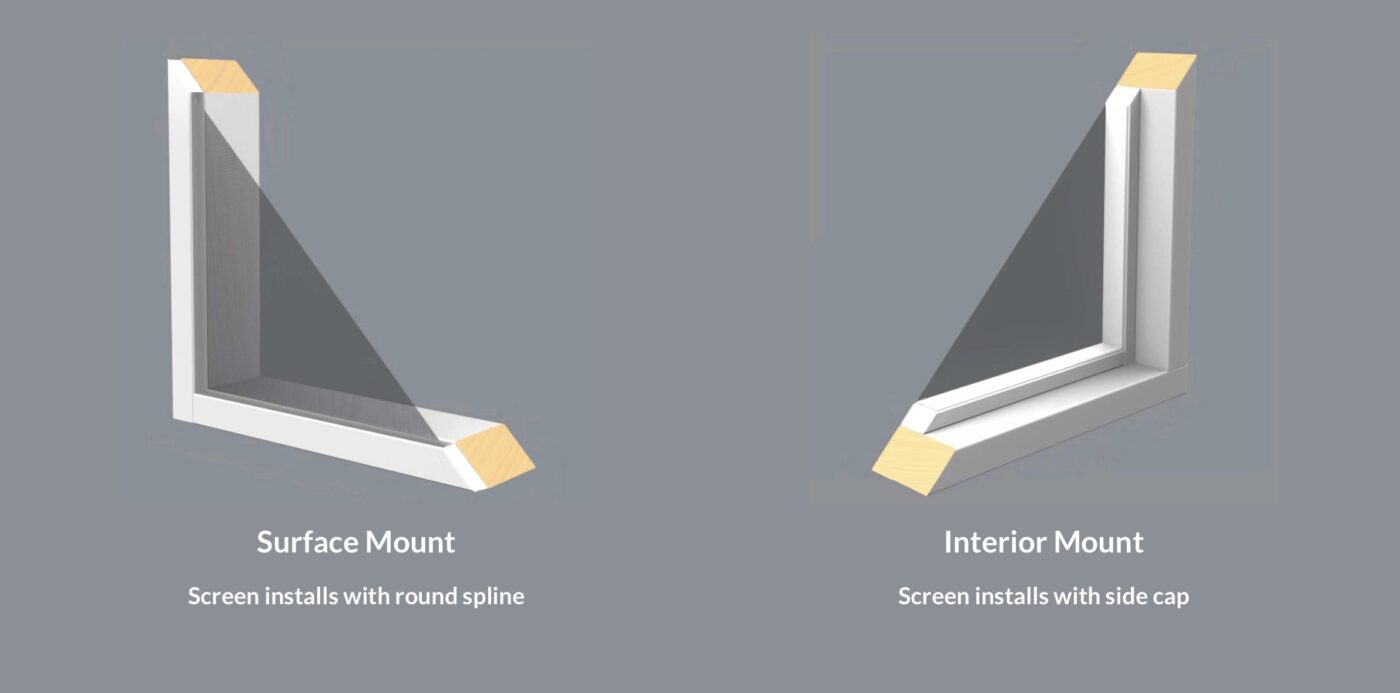
Surface mount systems install on the face of porch framing, either outward or inward. These systems generally require fewer components and are often the easiest to install when you already have an existing porch structure built out.
Interior mount systems install on the inside of the porch framing to create an inset look. They can also be useful for elevated porches because they may reduce the need for tall ladders. However, interior mount systems can be trickier when working with angles or designs that include many zone-height verticals.
Here is how the systems break down by mounting type:
- MultiTrack can be surface or interior mounted
- Screen Tight and MeshGuard are surface mounted
- MiniTrack, FastTrack, and Screen Wall are interior mounted.

Guardrail Area (Code Compliance)
If your porch is elevated higher than a few steps off the ground, you will likely need a code-compliant solution in the guardrail area.
Traditional railing with pickets or balusters can add significant cost and block your view. MeshGuard offers an alternative by using a code-compliant set of components that creates a more open, unobstructed look.
MeshGuard also shares a cap with the original Screen Tight system, creating an integrated appearance, but it can also be used independently as a guardrail solution.
Screen Mesh Material & Span Size
Your screen mesh material and the size of your spans also influence which system will work best.
All of the screening systems can support a range of screen materials, including thicker mesh like pet screen and smaller insect screen. Your existing porch structure, your local wind conditions, and the design of your sides and zones all affect how large your screen spans can be.
Screen material such as Super Screen is available in rolls up to 100 feet by 9 feet, so span possibilities are broad. Adding vertical elements to your design can help create a tighter hold. Systems that use flat spline, such as Screen Wall and Fast Track, generally provide a stronger hold for larger spans, while round spline systems like Screen Tight, MiniTrack, and MultiTrack also support thicker mesh materials.
Final Thoughts: Choosing the Right System
The right porch screening system comes down to your specific goals, environment, and porch structure.
Think about whether you need code-compliant guardrails, whether you live in a coastal or high-wind area, whether you want a DIY-friendly installation, and whether you are working with existing framing or starting from scratch.
Here is a quick overview of the main porch screening systems:
- Screen Tight: Vinyl, surface mount, uses round spline.
- Screen Wall: PVC framing system, interior mount, uses flat spline.
- FastTrack: Aluminum framing system, interior mount, uses flat spline.
- MultiTrack: Versatile vinyl system that can be surface or interior mounted, uses round spline.
- MiniTrack: Aluminum, low-profile interior mount system, uses round spline.
- MeshGuard: Vinyl, surface mount system designed for code-compliant guardrail infill, uses proprietary spline and screen.
Understanding your location, porch height, and design priorities will help you choose a screening system that fits your needs, is easier to install, and looks great for years to come.
Still not sure? Use Ask a Porch Pro to get help choosing the best option for your project.